2028 Honda CR-V Specs, Review, Price – The 2028 Honda CR-V is expected to introduce one of the most significant transformations in the history of Honda’s popular compact SUV. As one of the brand’s most successful global vehicles, the CR-V has built its reputation around practicality, dependable engineering, comfortable passenger accommodation, and efficient everyday performance. However, the compact SUV market is becoming increasingly competitive, with manufacturers investing heavily in hybrid technology, advanced safety systems, modern infotainment, and more distinctive exterior designs. Honda is expected to respond with an entirely redesigned seventh-generation CR-V for the 2028 model year, bringing a fresh appearance and a stronger emphasis on electrification. The upcoming SUV could represent an important step in Honda’s strategy to make hybrid technology the central part of its mainstream vehicle lineup.
The biggest reported change concerns the powertrain strategy. According to automotive industry reports, Honda is preparing to move the next-generation CR-V toward a hybrid-only lineup in the U.S. market, potentially eliminating the conventional turbocharged gasoline engine currently offered in lower trim levels. This would represent a major departure from the existing sixth-generation model, which offers both a 1.5-liter turbocharged four-cylinder engine and a two-motor hybrid system. A hybrid-only approach would allow Honda to simplify the lineup, improve overall efficiency, and compete more directly with electrified rivals such as the Toyota RAV4 Hybrid. Although Honda has not officially confirmed every mechanical detail, the reported direction suggests that fuel economy and powertrain refinement will become central selling points of the 2028 CR-V.
The redesign is also expected to involve improvements to the vehicle’s underlying architecture. Reports indicate that Honda is developing a new platform for the next CR-V, with weight reduction and improved hybrid integration among the potential engineering priorities. A lighter structure could help the SUV accelerate more efficiently, respond more naturally during cornering, and reduce the energy required to move the vehicle. Honda may also refine chassis stiffness, suspension geometry, steering calibration, and noise insulation to create a more sophisticated driving experience. These improvements would be particularly important because CR-V buyers typically expect a vehicle that feels comfortable in city traffic while remaining stable and predictable during long highway journeys. The objective is likely to improve several areas simultaneously rather than focus exclusively on performance or fuel consumption.
Technology will probably play an equally important role in the 2028 update. The current CR-V already offers a practical touchscreen interface, wireless smartphone connectivity, digital convenience features, and Honda Sensing driver-assistance technology. However, the next generation could introduce a more modern digital environment, faster infotainment processing, improved connected services, and additional driver-support functions. Honda may also revise the cabin layout to provide more intuitive access to frequently used controls while introducing higher-quality materials throughout the interior. The company could further distinguish individual trims through exclusive styling elements, upgraded upholstery, and additional comfort equipment. With these expected changes, the 2028 Honda CR-V could become a more technologically advanced family SUV while preserving the everyday practicality that has made the nameplate successful. 2028 Honda CR-V Specs
2028 Honda CR-V Redesign and Update Plan
Exterior & Interior
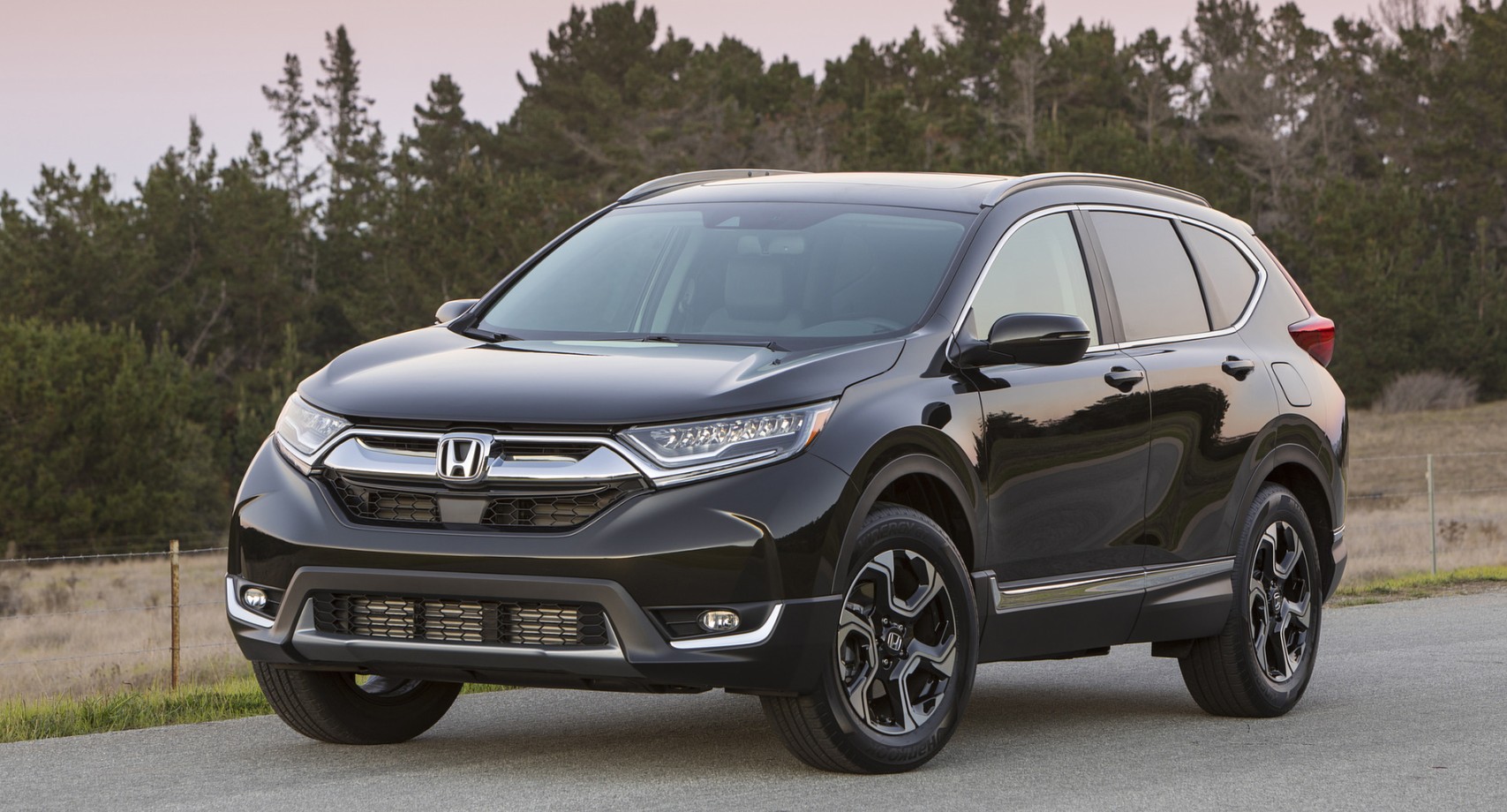
The exterior design of the 2028 Honda CR-V is expected to receive a comprehensive redesign that gives the compact SUV a more contemporary and recognizable appearance. The current generation already features a relatively long hood, a prominent front grille, narrow lighting elements, and a clean body profile. For the seventh generation, Honda could develop these characteristics into a more sophisticated design language with sharper proportions and stronger visual details. A redesigned front fascia, slimmer LED headlights, a wider grille, and a more sculpted bumper are among the changes that would help distinguish the new model from its predecessor. The overall appearance could become more premium without losing the practical dimensions and approachable styling that appeal to family-oriented SUV buyers.
At the front, the 2028 CR-V could feature a redesigned grille with a more integrated relationship between the headlights, hood, and lower air intakes. Honda may adopt a more streamlined lighting signature, potentially incorporating distinctive LED daytime running lights and updated illumination technology. The hood could receive additional sculpting to create a stronger visual impression, while the lower bumper may use more pronounced aerodynamic elements to improve airflow around the vehicle. Hybrid models could also receive subtle exterior details that communicate their electrified identity without relying on excessive decorative elements. Depending on the final trim configuration, customers may find different grille finishes, black exterior accents, and unique wheel designs. These changes could give the new CR-V a more expensive appearance while maintaining its familiar Honda identity.
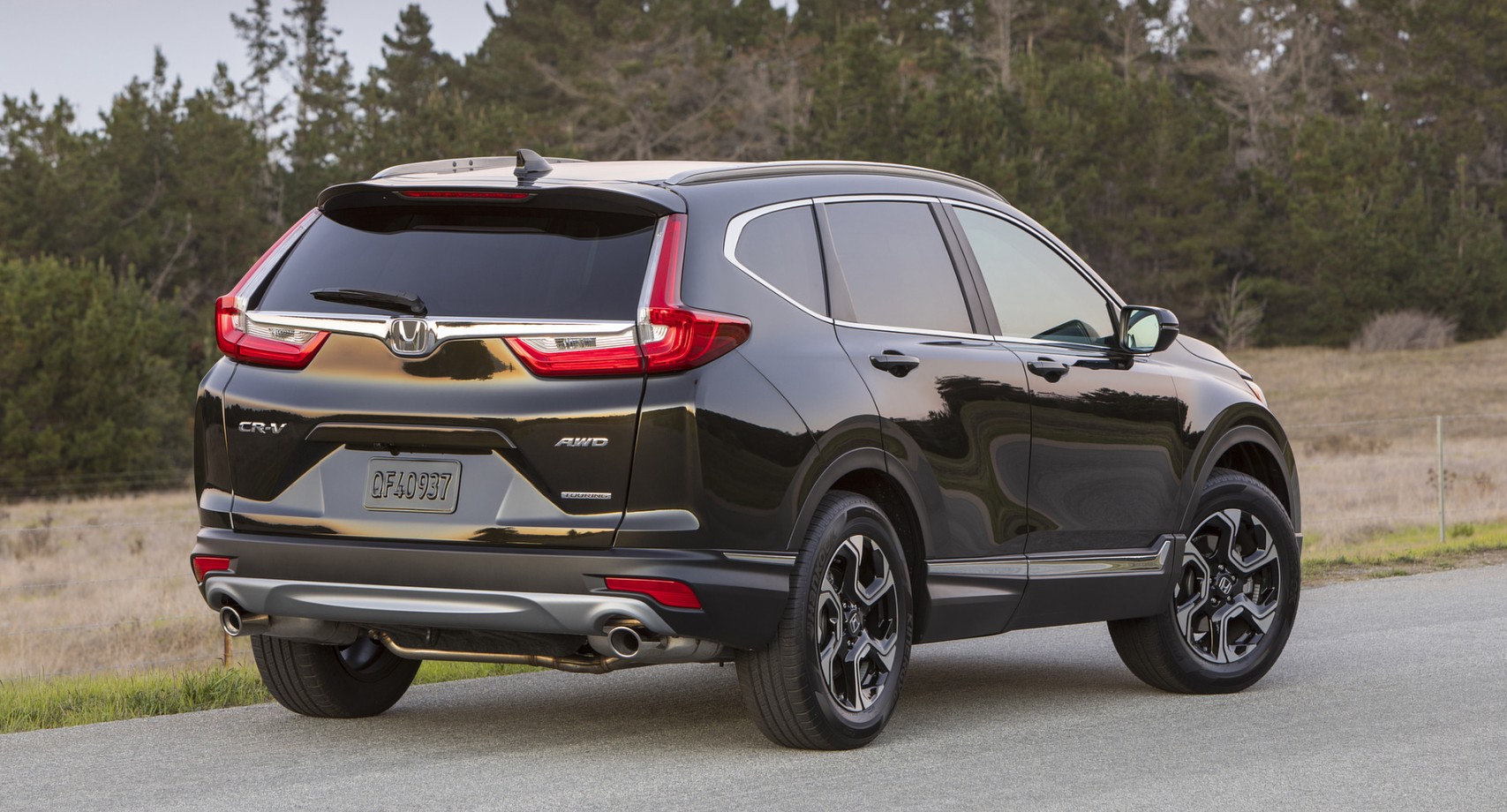
The side profile is another area where Honda could make meaningful improvements. The redesigned SUV may retain a relatively upright roofline, generous rear passenger accommodation, and practical rear-door openings, but updated body contours could make the vehicle appear more athletic. New alloy wheel designs, revised window trim, and stronger character lines could create a more distinctive visual balance. At the rear, Honda may introduce redesigned LED taillights, a cleaner tailgate design, and a revised bumper with improved integration of the lower protective elements. Aerodynamic efficiency could also influence the final body shape, particularly around the roofline, rear spoiler, and underbody. These details are important because a compact hybrid SUV needs to combine attractive styling with reduced aerodynamic resistance to support better real-world efficiency.
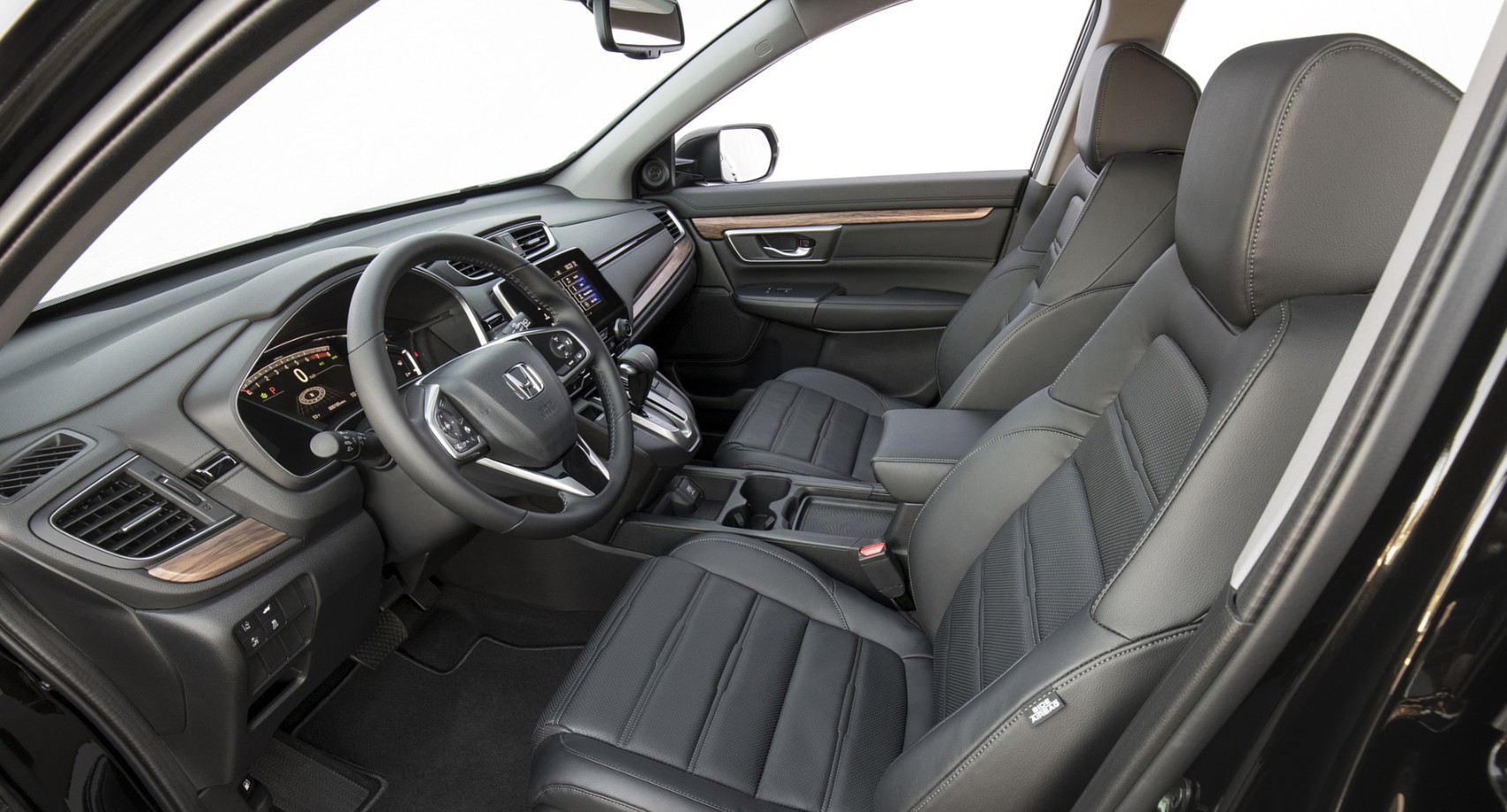
Inside, the 2028 Honda CR-V is expected to receive a substantial cabin update focused on comfort, digital functionality, and improved material quality. Honda could introduce a redesigned dashboard with a larger central infotainment display, a more advanced digital instrument cluster, and a cleaner center console. The familiar horizontal dashboard arrangement may evolve into a more modern layout with improved visibility and easier access to important functions. Higher trim levels could feature leather-trimmed seating, additional soft-touch surfaces, upgraded decorative finishes, and more sophisticated ambient lighting. Passenger comfort should remain a priority, with generous front and rear legroom, supportive seats, and practical storage compartments. The cargo area should also preserve the CR-V’s reputation for usefulness, providing sufficient room for luggage, shopping bags, children’s equipment, and weekend travel supplies.
2028 Honda CR-V Specs
Engine & Performance
The powertrain could be the defining feature of the 2028 Honda CR-V, particularly if Honda follows the reported plan to make the next-generation U.S. model exclusively hybrid-powered. The current CR-V hybrid uses a 2.0-liter Atkinson-cycle four-cylinder engine combined with two electric motors, delivering a total system output of approximately 204 horsepower.
This arrangement provides smooth acceleration, efficient operation, and responsive power delivery during everyday driving. For the seventh generation, Honda is expected to develop a more advanced hybrid system that could improve efficiency, refinement, and overall responsiveness. Although official output figures have not been announced, buyers can reasonably expect Honda to prioritize a competitive balance between usable power and reduced fuel consumption rather than pursue maximum horsepower.
The next-generation hybrid system could introduce several engineering improvements, including more efficient electric motors, revised battery technology, optimized engine operation, and updated electronic power management. Honda has also been associated with development of an electrified all-wheel-drive arrangement that uses a rear electric motor rather than relying entirely on the mechanical system found in the existing hybrid CR-V.
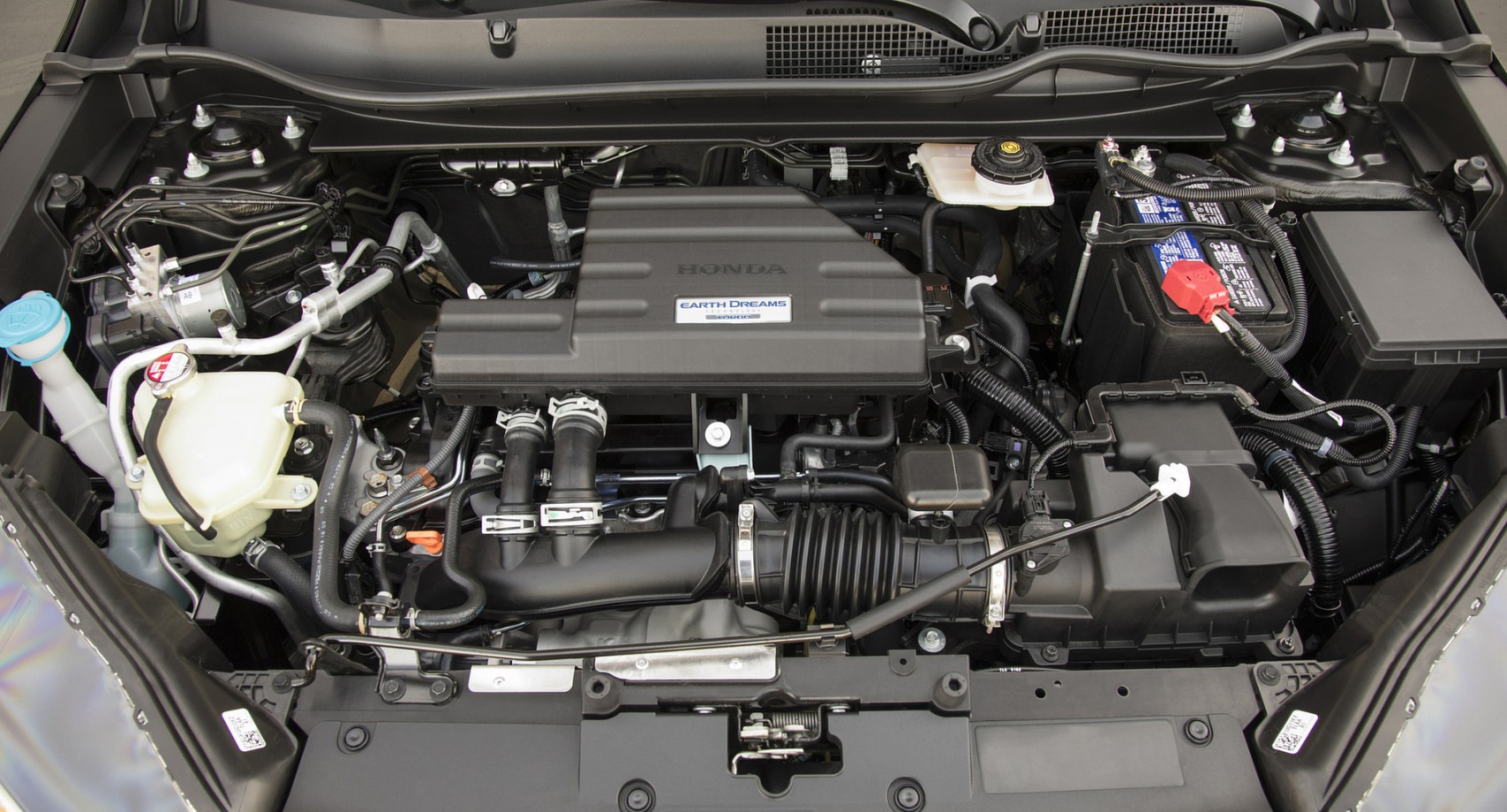
If this technology reaches the production model, it could provide a more responsive way to distribute traction between the front and rear wheels. Electric rear-wheel assistance could be particularly useful when accelerating on slippery surfaces or driving through wet conditions. The transmission and power delivery system may also receive revised calibration to provide smoother acceleration and a more natural response when the driver presses the accelerator.
2028 Honda CR-V Fuel Economy
Fuel economy is likely to become one of the strongest reasons to consider the 2028 Honda CR-V. The current 2026 gasoline-powered models achieve approximately 28 mpg in the city, 33 mpg on the highway, and 30 mpg combined with front-wheel drive. Current hybrid configurations offer substantially better efficiency, reaching approximately 43 mpg city, 36 mpg highway, and 40 mpg combined in front-wheel-drive form. All-wheel-drive hybrid versions deliver approximately 40 mpg city, 34 mpg highway, and 37 mpg combined, while the TrailSport Hybrid achieves approximately 38 mpg city, 33 mpg highway, and 35 mpg combined.
These figures provide a useful reference for the next generation, although the 2028 model’s EPA ratings have not been released. A lighter platform and more efficient hybrid hardware could help Honda improve on the current model’s performance, but no specific mileage target should be treated as confirmed. 2028 Honda CR-V Specs
2028 Honda CR-V Safety Features
Safety will remain another essential part of the CR-V’s appeal, especially among families who prioritize dependable driver assistance and occupant protection. The current Honda Sensing package includes technologies such as Collision Mitigation Braking, Forward Collision Warning, Road Departure Mitigation, Lane Keeping Assist, and Adaptive Cruise Control. These systems are designed to help drivers recognize potential hazards, maintain a safer following distance, and reduce the likelihood of certain types of collisions.
The 2028 model could introduce more advanced camera and radar hardware, improved object detection, and more natural lane-centering assistance. Blind Spot Information, Cross Traffic Monitor, parking sensors, and an enhanced rearview camera could also remain available depending on the trim. Honda may further strengthen the vehicle’s passive safety structure through improvements to body engineering, restraint systems, and airbag coverage. Official crash-test results and final safety equipment will need to be confirmed after the vehicle becomes available.
2028 Honda CR-V Release Date & Price
The release schedule for the 2028 Honda CR-V is attracting considerable attention because the upcoming redesign is expected to introduce important changes to Honda’s compact SUV strategy. Automotive industry reporting in October 2026 indicated that Honda had delayed the next-generation CR-V’s production start until April 2027 to allow additional production of the existing model. This reported adjustment could influence the timing and availability of the redesigned SUV during its first model year. If the production schedule proceeds as reported, the new CR-V could make its official debut during 2027, with dealership availability potentially beginning in late 2027 or extending into early 2028. However, Honda has not announced a definitive public unveiling date or confirmed retail delivery schedule.
The production strategy also highlights the importance of the CR-V within Honda’s North American business. The SUV has become one of the company’s most important products, attracting customers who want a practical alternative to larger and more expensive vehicles. Reports have indicated that Honda is reorganizing some of its North American manufacturing plans to accommodate greater CR-V production, including changes involving the Indiana facility. These developments suggest that Honda expects continued strong demand for its compact SUV and wants to prepare its manufacturing network for the next generation. Production capacity will be particularly important if the company moves the CR-V toward a hybrid-only lineup, because a larger number of electrified vehicles will require coordinated engine, battery, electric motor, and final assembly operations.
Competition will be one of the biggest challenges facing the 2028 Honda CR-V. The Toyota RAV4 remains its most direct rival, especially as Toyota continues to strengthen its hybrid and plug-in hybrid offerings. The Hyundai Tucson Hybrid and Kia Sportage Hybrid also provide attractive alternatives with modern interiors, extensive technology, and competitive efficiency. Meanwhile, the Subaru Forester Hybrid could appeal to buyers who prioritize all-weather traction and outdoor-oriented practicality. To remain competitive, Honda will need to deliver more than a redesigned exterior. The new CR-V must offer convincing fuel economy, smooth acceleration, useful passenger and cargo space, reliable hybrid engineering, and a well-equipped cabin. Its success could depend on how effectively Honda combines these qualities while keeping the price within reach of mainstream compact SUV customers.
For potential buyers, the 2028 CR-V could be particularly appealing if the reported improvements translate into meaningful advantages in everyday ownership. A more efficient hybrid system could reduce fuel expenses for commuters, while a refined suspension and improved cabin insulation could make long journeys more comfortable. Additional driver-assistance technology would help support highway driving, and a modern infotainment system could improve the daily experience for families who depend on smartphone connectivity and navigation. The TrailSport Hybrid may also provide a useful alternative for drivers who occasionally travel on gravel roads, camping routes, and uneven surfaces. Ultimately, the next-generation CR-V will need to preserve its practical character while offering enough new technology and efficiency to justify the transition from the current generation.
The 2028 Honda CR-V is expected to maintain a diverse trim lineup, although the reported move toward hybrid-only powertrains could significantly change how the available versions are organized. The current U.S. lineup includes LX, EX, EX-L, Sport Hybrid, TrailSport Hybrid, Sport-L Hybrid, and Sport Touring Hybrid configurations. For the next generation, Honda could place greater emphasis on electrified models and give each trim a more clearly defined personality. Entry-level versions would likely prioritize affordability and essential equipment, while midrange models could focus on additional comfort and technology. Higher trims should provide premium cabin materials, more sophisticated convenience features, and distinctive exterior details. The TrailSport configuration could continue to attract buyers who want a more adventurous appearance and additional equipment for light off-road driving.
The entry-level 2028 CR-V could become an attractive option for customers seeking an efficient family vehicle without paying for unnecessary luxury equipment. If the hybrid-only strategy is adopted, even the most affordable version could include Honda’s two-motor hybrid powertrain, automatic climate control, a modern infotainment interface, and a comprehensive collection of standard safety systems. Honda may also provide wireless Apple CarPlay and Android Auto, a rearview camera, keyless entry, and multiple USB charging connections. Depending on the final equipment structure, some convenience features currently reserved for more expensive versions could become standard across a larger portion of the lineup. This would make the base model more appealing to customers who want a well-equipped SUV with competitive running costs and a practical five-passenger cabin.
The Sport and EX-L-style configurations could occupy the middle of the lineup, offering a combination of upgraded styling and additional comfort features. Sport models may feature dark exterior accents, distinctive alloy wheels, unique interior finishes, and sport-inspired design elements. More comfort-focused versions could introduce leather-trimmed seating, power-adjustable front seats, heated seating surfaces, and additional convenience equipment. The TrailSport Hybrid is particularly interesting because it could become a more important part of the redesigned lineup. Its current-generation formula includes all-terrain tires, unique exterior detailing, increased ground clearance compared with standard versions, and standard all-wheel drive. Honda could refine the suspension and traction-control calibration for the next generation, although the CR-V TrailSport should still be considered a light-adventure SUV rather than a direct replacement for a dedicated off-road vehicle.
At the top of the range, the Sport Touring Hybrid is expected to remain the most premium-oriented configuration if Honda retains the current naming strategy. This version could combine the strongest available equipment package with upgraded upholstery, a premium sound system, larger alloy wheels, advanced parking assistance, and additional connected technology. A panoramic-style roof, ventilated front seats, a heated steering wheel, and a surround-view camera would be desirable additions, although their availability has not been confirmed for the U.S. market. Pricing is equally uncertain because Honda has not announced official 2028 MSRP figures. For planning purposes, an estimated starting range of approximately $33,000 to $36,000 could be reasonable, with well-equipped hybrid versions potentially reaching $40,000 to $46,000 or more before destination charges and optional equipment. These are editorial estimates rather than confirmed manufacturer prices. 2028 Honda CR-V Specs
Conclusion
The 2028 Honda CR-V could become one of the most important compact SUV releases in Honda’s upcoming product lineup. Its anticipated seventh-generation redesign, reported hybrid-only powertrain strategy, improved platform, and updated technology could make it a stronger competitor in an increasingly electrified automotive market. The combination of better fuel efficiency, practical passenger space, modern safety equipment, and refined driving characteristics should remain central to its appeal.
For buyers considering a new hybrid SUV, the upcoming CR-V deserves attention, particularly if Honda delivers meaningful improvements in efficiency and interior quality. Its biggest competition will come from the Toyota RAV4 Hybrid, Hyundai Tucson Hybrid, and Kia Sportage Hybrid. However, Honda’s established reputation for practical engineering and comfortable everyday driving gives the CR-V a strong foundation.
Although official specifications, final prices, and dealership availability are still pending, the 2028 Honda CR-V looks like a promising next chapter for one of Honda’s most recognizable SUVs. Buyers who are not in a hurry may find it worthwhile to wait for the official unveiling before making their next compact SUV purchase.
Note: The bulk of the information in this blog post is sourced from references that were accessible prior to the product’s introduction. Seek information via official channels or connect with your local dealerships for the most up-to-date details.
Frequently Asked Questions
2028 Honda CR-V Specs, Review, Price - The 2028 Honda CR-V is expected to introduce one of the most significant transformations in the history of Honda's popular compact SUV. As one of the brand's most successful global vehicles, the CR-V has built its reputation around practicality, dependable engineering,…
The biggest reported change concerns the powertrain strategy. According to automotive industry reports, Honda is preparing to move the next-generation CR-V toward a hybrid-only lineup in the U.S. market, potentially eliminating the conventional turbocharged gasoline engine currently offered in lower trim levels. This would represent a major departure…
The redesign is also expected to involve improvements to the vehicle's underlying architecture. Reports indicate that Honda is developing a new platform for the next CR-V, with weight reduction and improved hybrid integration among the potential engineering priorities. A lighter structure could help the SUV accelerate more efficiently,…
Technology will probably play an equally important role in the 2028 update. The current CR-V already offers a practical touchscreen interface, wireless smartphone connectivity, digital convenience features, and Honda Sensing driver-assistance technology. However, the next generation could introduce a more modern digital environment, faster infotainment processing, improved connected…
2028 Honda CR-V Redesign and Update Plan Exterior & Interior The exterior design of the 2028 Honda CR-V is expected to receive a comprehensive redesign that gives the compact SUV a more contemporary and recognizable appearance. The current generation already features a relatively long hood, a prominent front…