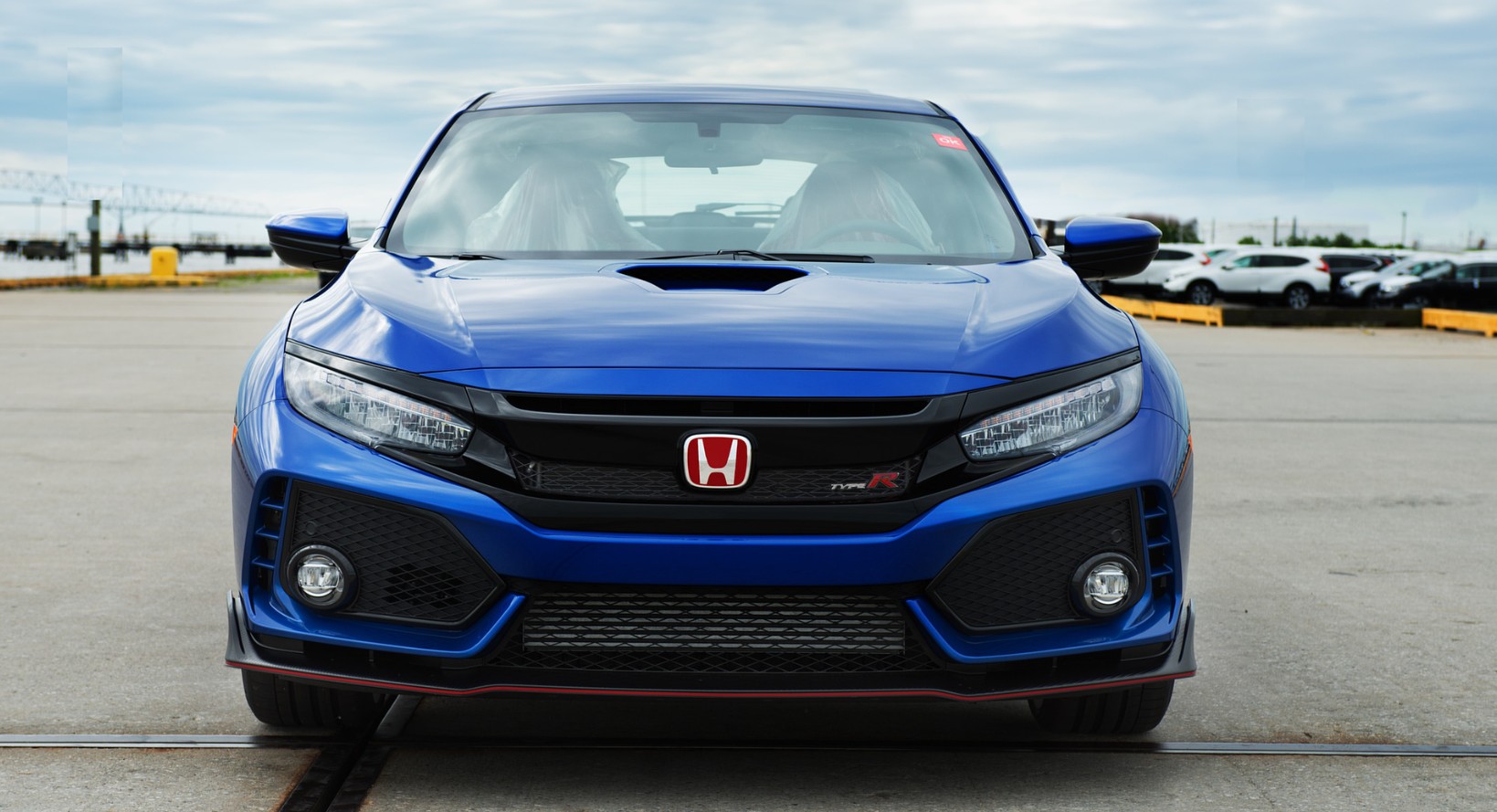
2028 Honda Civic Type R Specs, Price, Configurations – The 2028 Honda Civic Type R could become one of the most closely watched performance hatchbacks of its model year, particularly among drivers who still value a high-revving turbocharged engine, a precise manual gearbox, and front-wheel-drive handling developed with serious track use in mind. The Type R has built its reputation by combining everyday Civic practicality with engineering that rewards committed driving. It is not simply a regular hatchback with a more aggressive body kit. Its engine, cooling system, suspension geometry, braking hardware, steering calibration, and aerodynamic details work together to create a car that feels purpose-built for enthusiastic drivers. For 2028, the biggest question is whether Honda will continue refining the current FL5-generation formula or introduce a more substantial evolution.
The latest confirmed development is the refreshed 2027 Civic Type R, announced by Honda in October 2026. This update brings a redesigned front fascia intended to improve engine cooling and increase downforce, revised suspension damping in +R mode, a more direct brake-pedal feel, and an improved rev-match system. Honda has also upgraded the cabin with heated front seats, premium Ultrasuede material across the instrument panel and front door panels, Google built-in, and Google Gemini integration. These changes are important because they establish a much stronger starting point for the 2028 model. Rather than assuming a completely new generation is coming immediately, it is more realistic to expect Honda to carry forward the latest engineering improvements while considering smaller equipment, software, and appearance refinements.
A full redesign for 2028 has not been confirmed, and there is currently no official Honda announcement providing a complete 2028 specification sheet. The existing Civic Type R platform remains relatively recent, while the 2027 refresh already addresses several areas that matter to performance drivers. A major structural change so soon after that update would be difficult to predict responsibly. A carryover model with selected improvements is therefore a more reasonable expectation, although Honda could still introduce new exterior colors, revised trim details, updated connected services, or additional performance accessories. Any discussion of a new engine, hybrid assistance, automatic transmission, or substantially different chassis should be treated as speculation until Honda confirms those plans.
The Type R’s appeal also comes from its unusual position in the modern performance-car market. Many new performance vehicles increasingly depend on automatic transmissions, hybrid systems, all-wheel drive, and complex electronic assistance. Honda continues to offer the Civic Type R in the United States with a six-speed manual transmission and front-wheel drive, keeping the driver directly involved in managing engine speed, gear selection, and traction. That approach gives the car a distinctive personality, especially for enthusiasts who enjoy learning a circuit, improving their shift timing, and feeling the front tires work through a corner. If the 2028 model preserves this philosophy, it should remain an attractive alternative to heavier and more complicated performance cars. 2028 Honda Civic Type R Specs
2028 Honda Civic Type R Redesign and Update Plan
Exterior & Interior
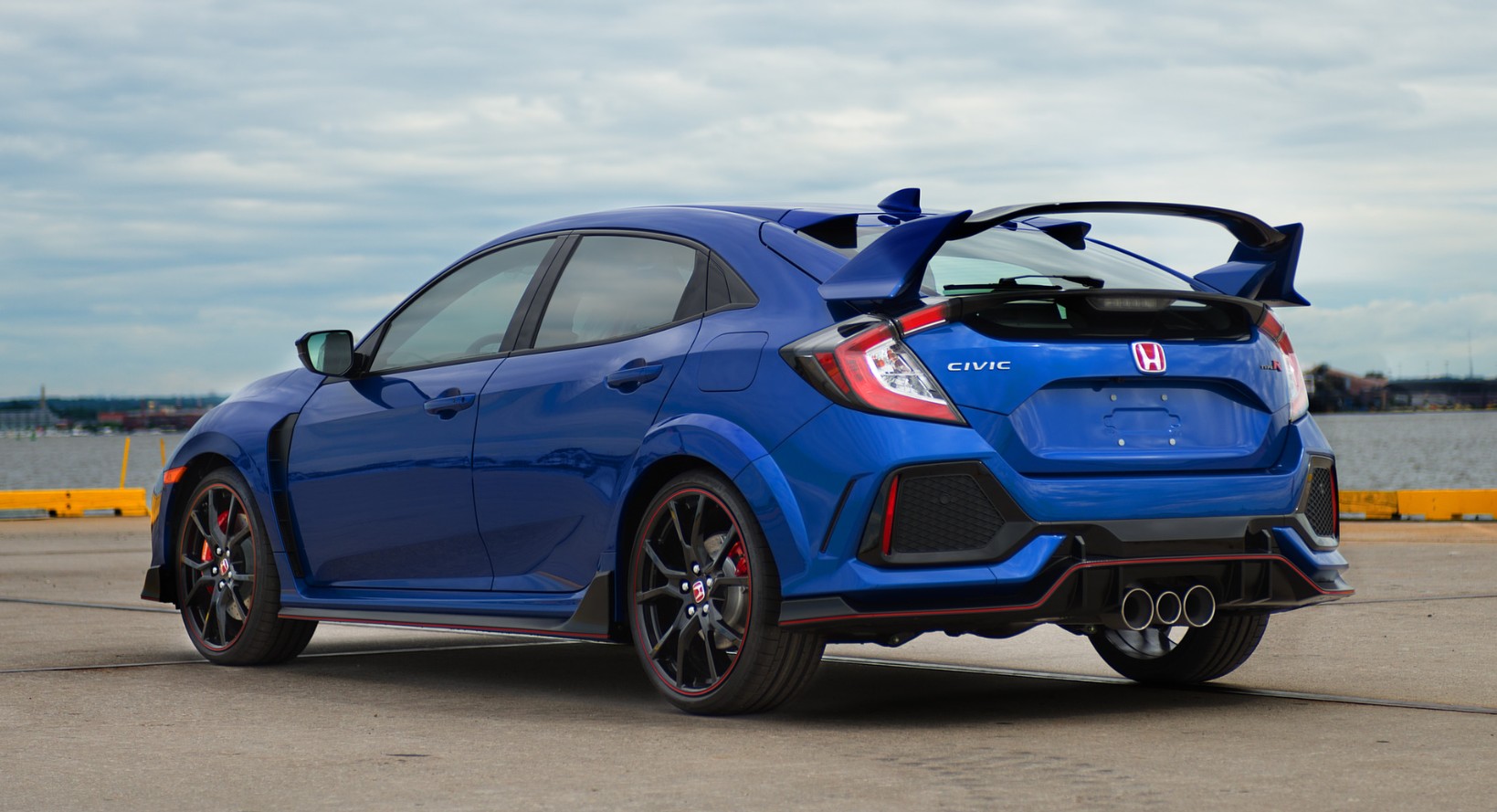
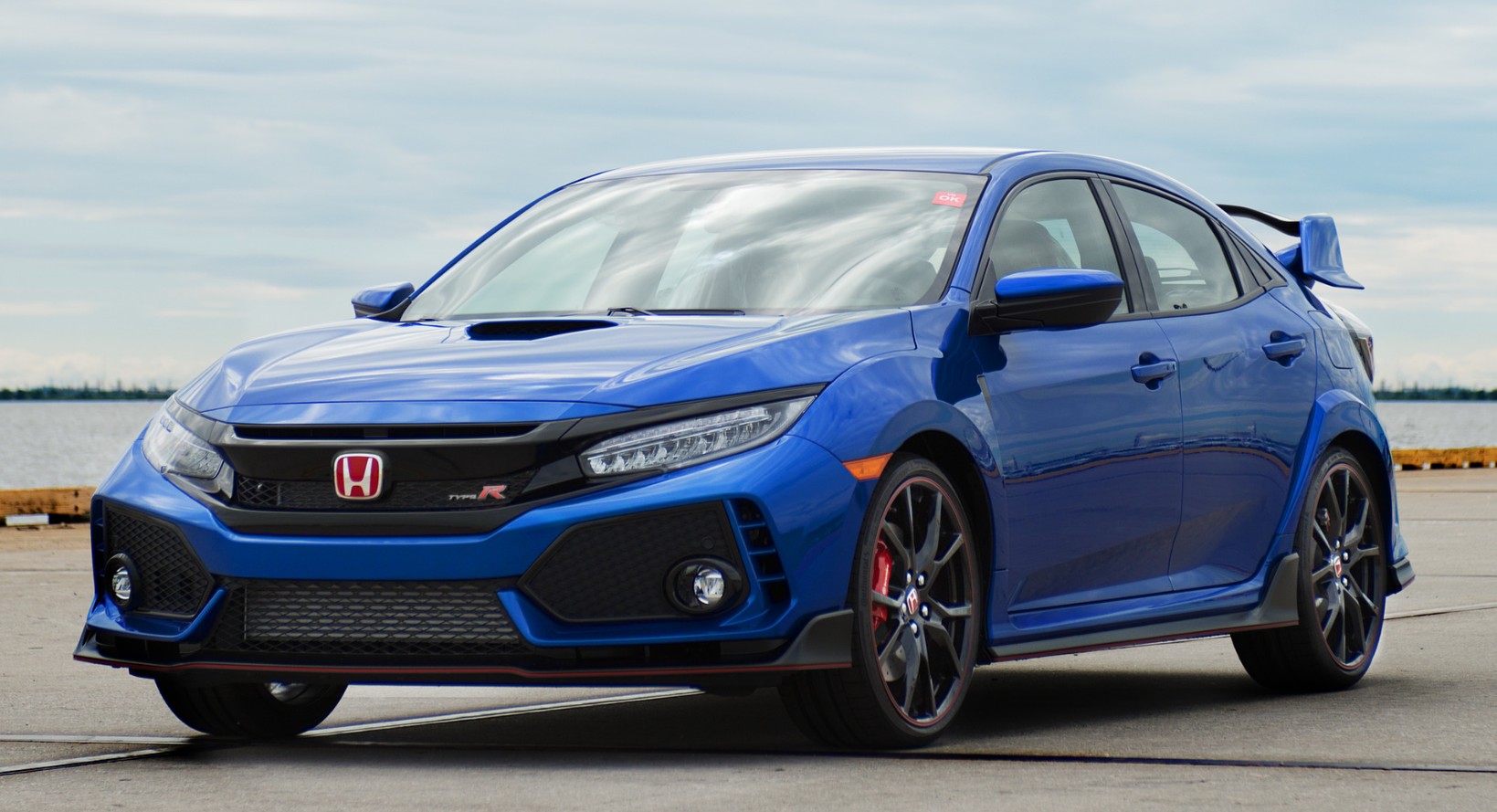
The 2028 Honda Civic Type R is expected to retain the wide, low, and purposeful proportions of the current FL5-generation hatchback. Its design combines the practical roofline of a five-door Civic with a broad stance, large front air openings, pronounced side skirts, and a rear wing that gives the car a recognizable performance identity. The bodywork is designed around more than visual drama. The front bumper manages airflow toward the cooling system, while the underbody and rear aerodynamic components help control air movement at speed. Large wheel arches accommodate wide performance tires, and the overall shape gives the Type R a planted appearance without abandoning the Civic’s basic hatchback proportions.
The 2027 facelift provides the clearest indication of what the next model could look like. Honda revised the front fascia with a more aggressive design intended to improve cooling and increase downforce. That matters on a front-wheel-drive performance car because the engine, transmission, brakes, and tires can experience considerable heat during repeated hard laps. Better airflow can help the cooling system manage demanding conditions, while aerodynamic refinements can contribute to stability. For 2028, Honda may retain this updated front-end treatment and introduce smaller visual changes, such as new wheel finishes, paint options, or revised exterior trim. A completely new body design remains unconfirmed, so buyers should not assume the 2028 car will have a different generation’s styling.
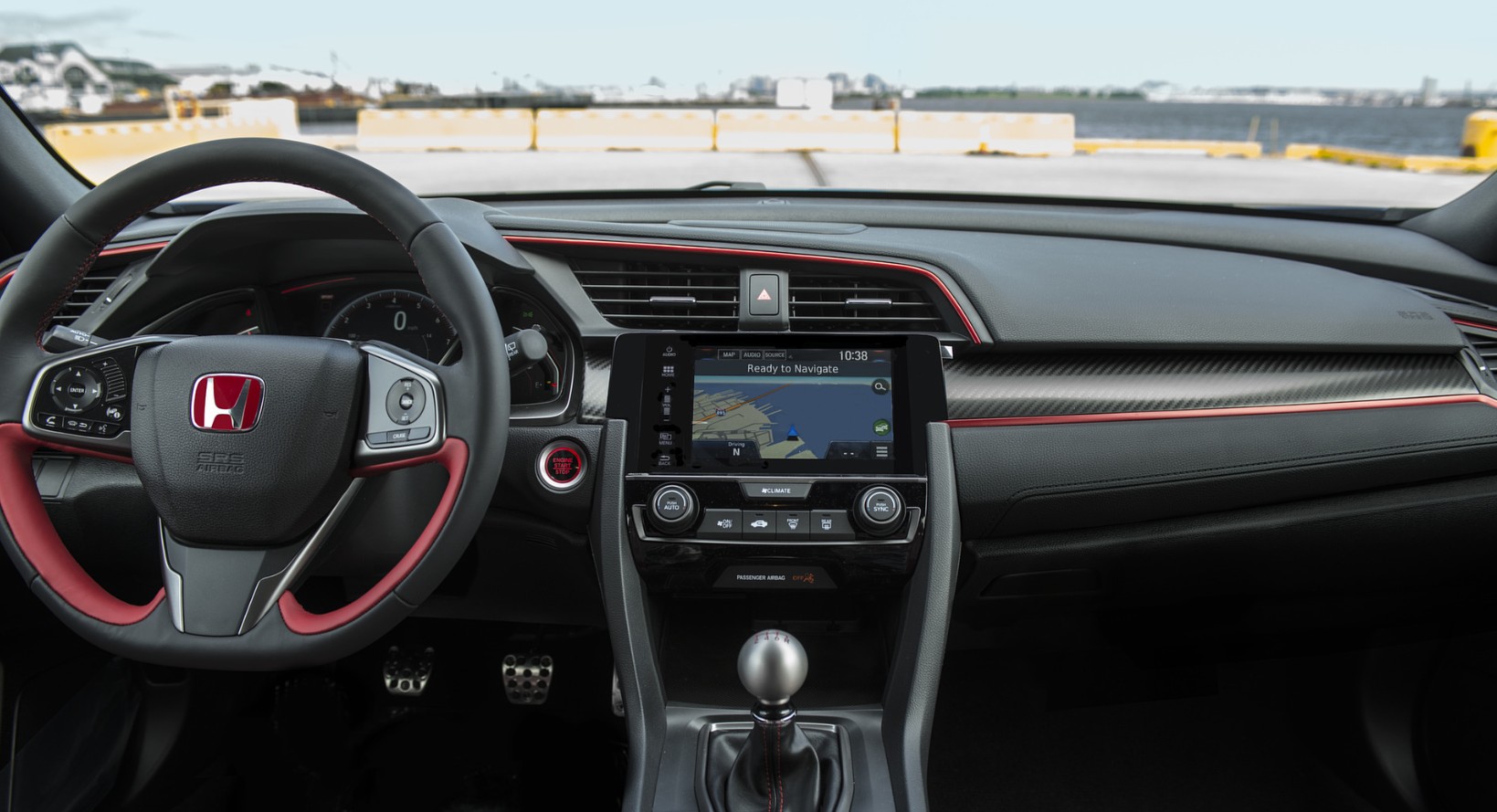
Inside, the Civic Type R balances a focused driving position with the equipment expected from a modern premium hatchback. The driver sits in heavily bolstered sport seats designed to provide support during hard cornering, while the steering wheel, pedals, and manual gear lever are positioned to make the main controls easy to reach. Red interior accents and Type R-specific details give the cabin a more energetic character than an ordinary Civic. The 2027 update adds heated front seats and premium Ultrasuede covering for the instrument panel and front door panels, giving the interior a more distinctive finish. If these features carry over, the 2028 model should offer a cabin that feels more comfortable in everyday use without losing its motorsport-inspired atmosphere.
Technology is another area where the 2028 model could benefit from continued development. The refreshed 2027 Type R introduces Google built-in and Google Gemini integration, expanding the connected experience beyond basic smartphone mirroring. The existing digital instrument display provides performance-related information, while the central touchscreen handles navigation, entertainment, and vehicle settings. Honda LogR adds another layer for enthusiasts by providing a way to monitor and record driving data, helping owners understand vehicle behavior and improve their performance on a circuit. A premium Bose audio system, smartphone connectivity, and useful storage areas also make the car easier to live with. For 2028, software refinements and expanded connected features are plausible, but no additional technology package has been officially confirmed.
2028 Honda Civic Type R Specs
Engine & Performance
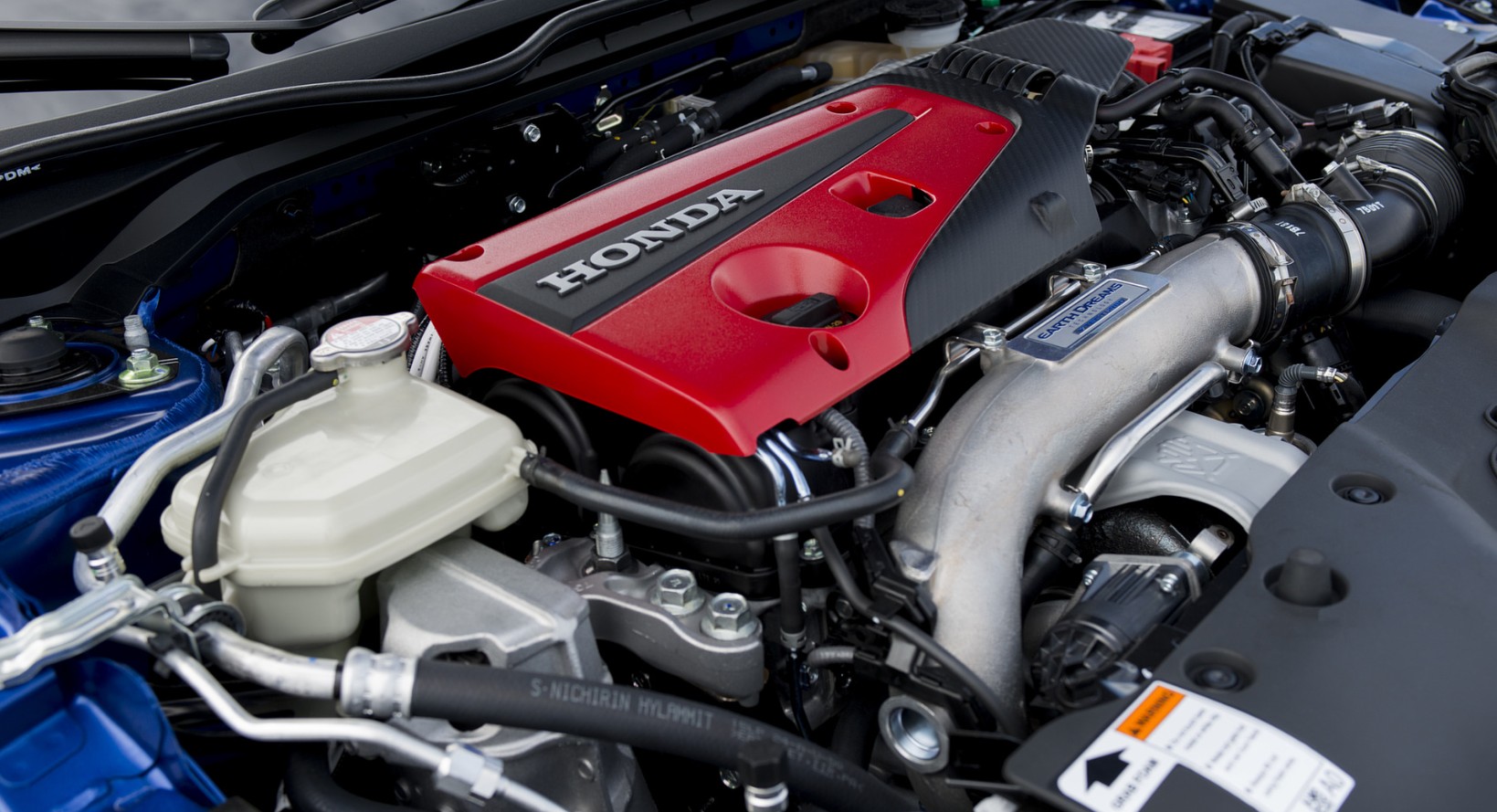
The current Civic Type R’s 2.0-liter turbocharged VTEC engine is expected to remain the most likely powertrain foundation for the 2028 model. In the U.S.-market 2027 specification, the turbocharged four-cylinder produces 315 horsepower at 6,500 rpm and 310 lb-ft of torque between 2,600 and 4,000 rpm. It has a 7,000-rpm redline and uses direct fuel injection, a water-cooled oil cooler, and a turbocharger operating at a listed boost pressure of 25.2 psi. This combination gives the Type R strong midrange response while retaining the ability to build speed as engine revs rise. Honda has not announced 2028 output figures, so these numbers should be understood as the latest confirmed U.S. baseline rather than guaranteed specifications for the future model.
A six-speed manual transmission remains central to the Type R experience. The gearbox is engineered for direct shifts, and its rev-match control helps synchronize engine speed during downshifts. This feature can make braking into a corner smoother by reducing the difference between engine speed and the selected lower gear. A lightweight single-mass flywheel contributes to the engine’s responsive character, while a helical limited-slip differential helps manage torque between the front wheels when accelerating out of corners. The result is a drivetrain that rewards deliberate inputs rather than hiding the driving process behind an automatic transmission. Unless Honda announces a major change, a manual-only U.S. configuration remains a reasonable expectation for 2028.
The chassis is just as important as the engine. The Type R uses a dual-axis MacPherson strut front suspension designed to reduce torque steer and help the front tires maintain control under acceleration. A multi-link rear suspension contributes to stability and predictable handling, while adaptive dampers allow the car to adjust its response according to the selected drive mode. Comfort, Sport, Individual, and +R settings let drivers choose between a more relaxed road setup and a sharper configuration for demanding driving. The 2027 refresh further optimizes suspension damping in +R mode to improve contact feel and body control through corners. Large Brembo four-piston front brake calipers and high-performance Michelin Pilot Sport 4S tires complete a package designed for repeated hard use. 2028 Honda Civic Type R Specs
2028 Honda Civic Type R Fuel Economy
Fuel economy is not the Type R’s primary selling point, but it remains relevant for owners who use the car every day. The published U.S. EPA rating for the 2027 Civic Type R is 22 mpg in city driving, 28 mpg on the highway, and 24 mpg combined. It has a 12.4-gallon fuel tank and uses regular unleaded gasoline, with premium fuel recommended for optimal performance. Actual consumption can vary considerably according to traffic, temperature, driving style, tire condition, and how often the driver uses the engine’s full performance. Frequent hard acceleration and track sessions will naturally increase fuel consumption. The 2028 rating has not been released, and it would be inaccurate to present the 2027 figures as a confirmed EPA result for the next model year.
2028 Honda Civic Type R Safety Features
The 2028 Honda Civic Type R should continue to combine its performance-focused chassis with a comprehensive set of modern safety systems. Honda Sensing is an important part of the current Civic family, offering driver-assistance technologies designed to help reduce the likelihood or severity of certain road incidents. Depending on the final 2028 specification and market, expected equipment may include collision mitigation braking, road departure mitigation, adaptive cruise control, lane keeping assistance, and traffic sign recognition. These systems can be useful during daily commuting and long-distance travel, particularly when traffic conditions change quickly. They are assistance features rather than autonomous-driving technology, and the driver remains responsible for controlling the vehicle at all times.
Passive safety equipment is equally important in a car capable of high speeds. The current Civic Type R specification includes a reinforced passenger structure, multiple airbags, seat-belt systems, stability assistance, anti-lock braking, and electronic brake-force distribution. The exact number and configuration of airbags can vary by market, so buyers should check the specification for their country rather than assume every regional model is identical. The chassis also benefits from a braking system developed for performance driving, although track use places greater demands on brake pads, fluid, tires, and cooling than ordinary road travel. For 2028, the safest expectation is continued use of the current generation’s broad safety architecture, subject to Honda’s final equipment announcement.
Driver-focused technology gives the Type R an advantage beyond its headline horsepower figure. Honda LogR is particularly relevant because it allows drivers to review selected performance information and analyze their driving. Combined with the car’s drive modes, adaptive dampers, rev-match system, and performance-oriented displays, it creates an environment where owners can better understand how the vehicle responds to steering, braking, and acceleration inputs. The 2027 model’s improved brake-pedal feel and revised +R damping also show that Honda continues to refine the driver’s connection with the car. A future software update or expanded data-logging functions would be a useful addition for 2028, although no such changes have been confirmed.
2028 Honda Civic Type R Release Date & Price
Price will be a major consideration for anyone waiting for the 2028 Honda Civic Type R. Honda announced a U.S. starting MSRP of $48,695 for the refreshed 2027 model, before applicable destination charges, taxes, registration, dealer-installed accessories, and other local costs. That figure provides a useful reference point, but it is not the price of the 2028 vehicle. If Honda carries the current car forward with only modest changes, a small increase would be plausible as part of normal model-year pricing adjustments. A larger increase would be more difficult to predict without evidence of substantial new equipment or mechanical upgrades. The official 2028 MSRP will need to come from Honda rather than unofficial dealer estimates or speculative online listings.
The final price may also vary depending on the market. U.S. pricing cannot be directly applied to Indonesia, Europe, Japan, or other countries because import duties, taxes, exchange rates, shipping costs, homologation requirements, and local equipment specifications can significantly change the retail figure. Indonesian buyers should pay particular attention to the official local Honda price list and vehicle specification. Honda Indonesia currently lists the Civic Type R with a 2.0-liter turbocharged engine producing 319 PS and 420 Nm, paired with a six-speed manual transmission. Its published recommended Jakarta on-the-road price is Rp1,445,500,000, although that is a current local-market reference and not a confirmed 2028 price. The U.S. and Indonesian specifications should not be mixed because their power ratings and equipment descriptions are presented under different market standards.
Honda has not announced an official 2028 Civic Type R reveal date, production schedule, or dealership arrival window. The refreshed 2027 model was announced on October 1, 2026, with Honda saying that it would begin arriving at U.S. dealerships during that month. That timing offers some context for the manufacturer’s recent model-year rollout, but it does not guarantee a similar schedule for 2028. A late-2027 announcement or arrival during the 2028 model year would be a reasonable possibility, but it remains an estimate. Buyers who are considering a purchase should follow Honda’s official newsroom and local distributor announcements for confirmed information about availability, order timing, and regional specifications.
The 2028 U.S. trim strategy is likely to remain simple if Honda follows the current approach. The Civic Type R is sold as a highly equipped standalone performance model rather than a long list of conventional trims with different engine outputs. Buyers generally select the Type R itself and then choose from available exterior colors, accessories, and dealer-installed equipment. This strategy keeps the focus on the complete performance package, including the turbocharged engine, manual transmission, limited-slip differential, adaptive suspension, Brembo brakes, and specialized interior. Honda could introduce a special edition or additional performance package for 2028, but there is no official confirmation of a new trim name or limited-production version. The HRC concept and associated performance development are worth watching, but they should not be confused with a confirmed 2028 production trim. 2028 Honda Civic Type R Specs
Conclusion
The 2028 Honda Civic Type R has a strong foundation if Honda carries forward the improvements made for 2027. Its appeal is built around a 315-horsepower turbocharged engine in the U.S. specification, a six-speed manual gearbox, front-wheel drive, a limited-slip differential, adaptive suspension, Brembo front brakes, and a cabin that combines sport-focused design with modern connectivity. The refreshed front fascia and cooling improvements also show that Honda is still developing the car rather than relying entirely on its reputation. A confirmed 2028 specification could bring further refinements, but buyers should avoid treating unannounced power figures, redesign claims, or special editions as established facts. For drivers who want an engaging manual performance hatchback that can handle commuting during the week and track sessions on selected weekends, the next Civic Type R remains a model worth watching.
Note: The bulk of the information in this blog post is sourced from references that were accessible prior to the product’s introduction. Seek information via official channels or connect with your local dealerships for the most up-to-date details.
Frequently Asked Questions
2028 Honda Civic Type R Specs, Price, Configurations - The 2028 Honda Civic Type R could become one of the most closely watched performance hatchbacks of its model year, particularly among drivers who still value a high-revving turbocharged engine, a precise manual gearbox, and front-wheel-drive handling developed with…
The latest confirmed development is the refreshed 2027 Civic Type R, announced by Honda in October 2026. This update brings a redesigned front fascia intended to improve engine cooling and increase downforce, revised suspension damping in +R mode, a more direct brake-pedal feel, and an improved rev-match system.…
A full redesign for 2028 has not been confirmed, and there is currently no official Honda announcement providing a complete 2028 specification sheet. The existing Civic Type R platform remains relatively recent, while the 2027 refresh already addresses several areas that matter to performance drivers. A major structural…
The Type R's appeal also comes from its unusual position in the modern performance-car market. Many new performance vehicles increasingly depend on automatic transmissions, hybrid systems, all-wheel drive, and complex electronic assistance. Honda continues to offer the Civic Type R in the United States with a six-speed manual…
2028 Honda Civic Type R Redesign and Update Plan Exterior & Interior The 2028 Honda Civic Type R is expected to retain the wide, low, and purposeful proportions of the current FL5-generation hatchback. Its design combines the practical roofline of a five-door Civic with a broad stance, large…